
At just 24, Nella Brodett is just half the average age in the ministry she has been brought in to shake up. She was hired into Ontario's tertiary education ministry without a job description, but with a powerful mandate for change.
A former captain of the Ryerson Rams university hockey team, she was given the influential post only three months ago by the university's former president, Sheldon Levy, when he became Deputy Minister. Reporting directly to him, her mission is to see whether fresh eyes can do what experience cannot – and drag the ministry into the era of connectivity.
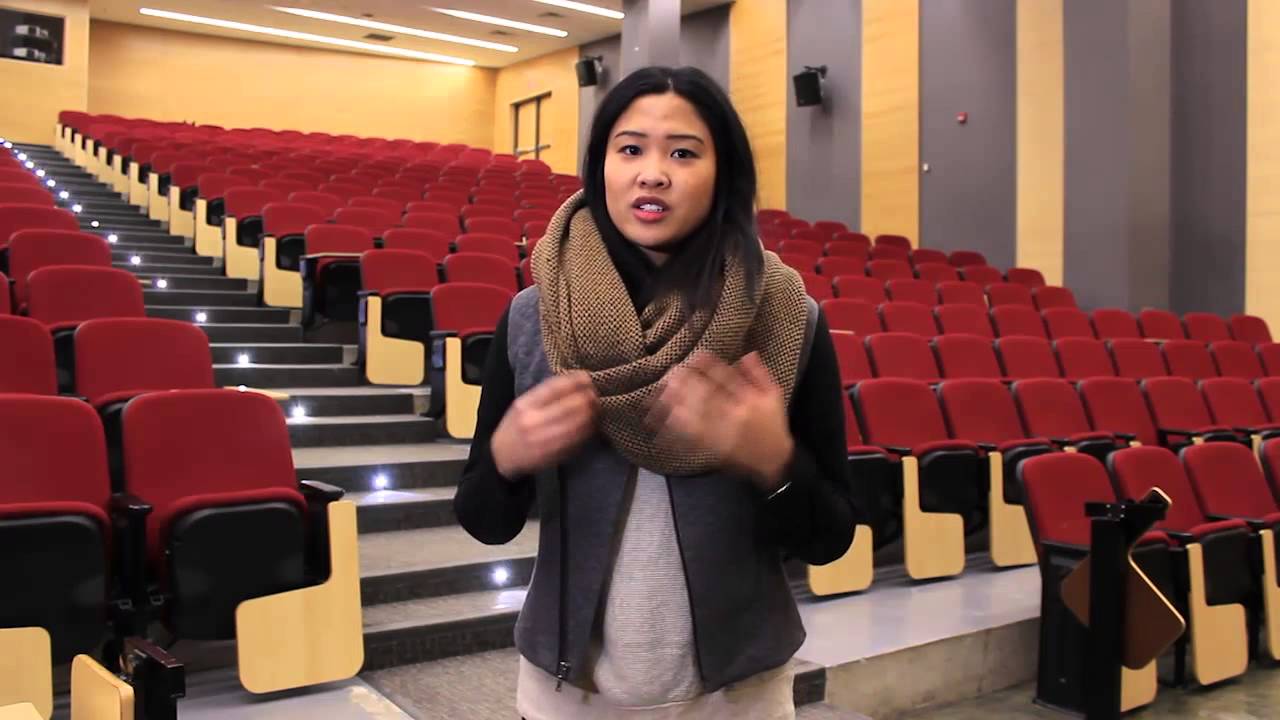 ](https://images.ctfassets.net/txbhe1wabmyx/4adRzAYMxBCZeeV2xmQlZI/6b45b6cdd100273ed2ba4c7d3d582dc2/nellabrodettbig.jpg)Nella Brodett at Ryerson University
Levy is nearly 70 and the ministry has one of the oldest average ages in Ontario, at 47. So how does the world of government look to a go-getting millennial who's been thrown in at the top end? How does she look to her new colleagues? And how useful can the millennial mindset actually be to a government ministry? Apolitical asked Brodett all about it.
**You've been brought in to shake up the ministry; what have you done so far?
**I've implemented a platform called SoapBox. This is so new to government because it's in the cloud and if you ask anyone in government about the cloud, they're like: 'No. Privacy. No chance. All the security issues, etcetera.' We fast-tracked the whole procurement process to implement this platform. Everybody is like, 'Oh, you need a competition, you need a year for a pilot, you need all these processes.' We're doing it next week.
**How are you able to move so fast?
**100% it's because Sheldon is on board. He's got the pen on it.
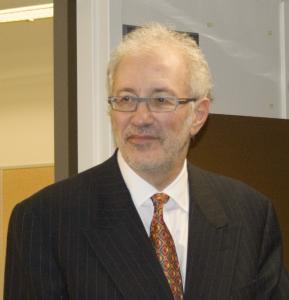 ](https://images.ctfassets.net/txbhe1wabmyx/5e3p2EEbBMvTaXAV03BHhX/aaa94d88369ebb8795b2ddccc0f0b6fd/sheldon_levy.jpg)Sheldon Levy, Deputy Minister of Training, Colleges and Universities
**And how does this platform help your public servants?
**It's for all our employees to express their ideas for solutions created by employees. This platform is really cool, it's employee-vote based. So I put out an idea, like: I really want to use an iPhone rather than a Blackberry, and this is why. If the idea gets enough likes, it flags automatically for managers that this is an idea your employees believe is important.
**But if you've sidestepped the procurement process, are you taking a leap into the dark?
**It's been used in Indigo Books, Coca Cola World, General Electric, so there are case studies, but we're the very first in government.
**How have your colleagues reacted to this idea?
**I've been in about 80,000 meetings briefing people, because that's how government works apparently, and a director put his hand up and said, 'I've got an idea that I've been holding onto for ten years because I didn't know how to put this out.' Ten years!
They have to want to take it on on top of their everyday work
**What's his idea?
**He wants to see if there's a way – and to have this idea ten years ago is quite genius, so he's probably going to kick himself in the teeth when we say that this is possible – for all public servants in Ontario to have their own profile with what files you've worked on. Because here you're always transferring from ministry to ministry, there's a high turnover. So if someone new wants to tap into the knowledge of another public servant who might be somewhere completely different but has the knowledge on this subject, you'll search, say, 'University Funding Formula' and you'll have a whole list of people that have worked on it.
**How are you going to make sure something actually comes of good ideas?
**We're going to have what we call partners in innovation. Because even though the senior people have to be on board with this, it doesn't mean they aren't going to say: “This is going to create more work for me, I don't want to do it.” So what we're trying to do is find partners who will transfer these ideas. And they don't have to be at a senior level, they have to want to take it on on top of their everyday work. We're going to give the option for the employee who generated the idea to actually go through and make it happen.
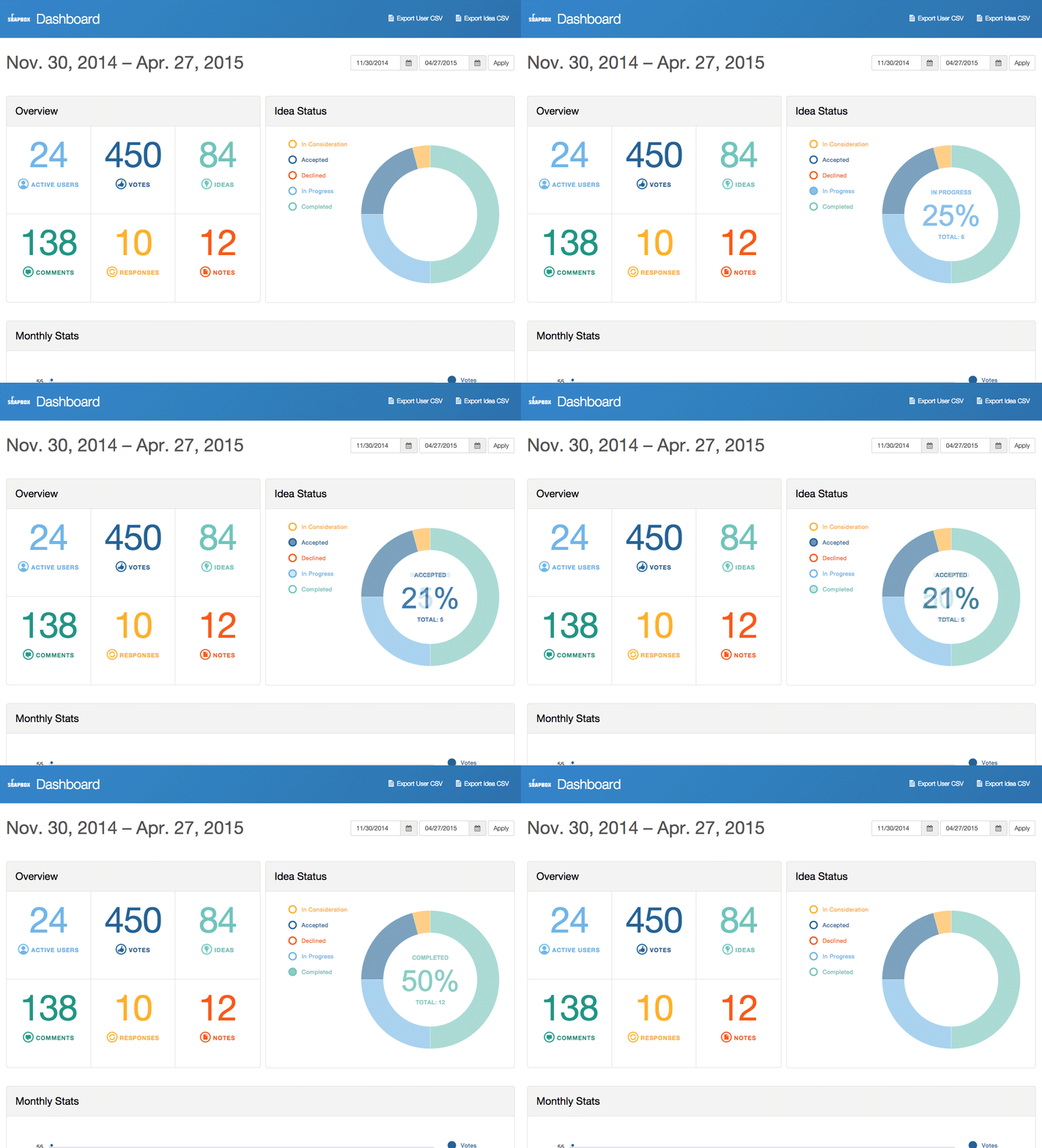 ](https://images.ctfassets.net/txbhe1wabmyx/6x3o89fw1yPkKUfZwMjfw/d526adbc902f3faaeeb6d994b16673da/soapbox.gif)A screenshot of the SoapBox dashboard
**You're half the average age of people in your ministry. How do they react when you say you've come to change everything?
**I was just so anxious and nervous about that beforehand – and still am even now. So when I meet these people – some of whom have children older than me – and here I am in the deputy minister's office being able to sit in on a lot of decisions they don't have a say in, I just want them to know that my role isn't a threat. I'm just trying to make their work easier.
**What do you think young people can bring to government?
**Well, it's insane. I came from Ryerson University, which is just leaps ahead in entrepreneurial thinking and design thinking and experiential learning. And the executive director of the business incubator over there was 28. So coming here to people who are not as tech savvy and don't know these different types of thinking... It's a bit of a culture shock, but I think showing people the youth within the institutions will really show that the future is them. It's not going to be what we currently do.
 ](https://images.ctfassets.net/txbhe1wabmyx/2i4zIFm6j2vnTHw82eovbI/99834f84a25cd2324da134fd23acc34f/ryersondmz.jpg)The Ryerson business incubator – the 'Digital Media Zone
**How would you define the cultural difference between the generations?
**In the older tradition no one wanted to step out of line or voice their opinion because they were afraid of getting in trouble. Whereas I'm in an environment all the time where I can say: hey, that was awesome but what about this, and it's quick and it's easy. Obviously you have to be sensitive with serving the public and taxpayers' dollars etcetera, but I think it can be changed. The difference isn’t about technology or the entitled millennial versus the hard-earned era, it’s the environment youth are growing up in. Experiential and hands-on learning is in higher demand than a lecture hall.
**Why is this cultural shift taking place?
**I think it's because we haven't seen anything so fast-paced as today. Because it takes, let's say, two years for IT procurement of new technology, but in those two years you've already seen an evolution of five different upgrades. How can we be forming policies if the approval process takes so long they are almost irrelevant when they're introduced?
Government is much harder than you think. I have way more respect.
**Why is it so important for governments to adapt?
**Well, we're building health apps with information like, if you're travelling, when you last got your shots – because it's on a piece of paper that you probably threw away. If we don't do this, somebody else will and we'll be stuck in a place where we have to fight back and build regulation from what they've already created, rather than doing it from the ground up ourselves. That is the thinking of the future for government. We can't have Uber knocking on the door and suddenly we're in chaos.
**How has your opinion of government changed in the past three months?
**If you'd talked to me six months ago, I would have said: that's just not anything I want to be a part of. It's old, it's stuffy, it's old people just sitting at a desk doing things that may or may not affect me. But I had no idea about all this stuff. Our ministry's work affected me when I was a student and to see the change that the work of a ministry like ours builds for society is amazing. And it's much harder than you think. I have way more respect.
**What do you think is the biggest problem for government?
**It's the processes that are so frustrating. SoapBox is a Canadian start up, built in Toronto, with large corporations as clients, and government can't get on board because of procurement. We're trying to stimulate and accelerate all this entrepreneurship, but what is the good in helping startups start if we can’t provide the opportunity for them to scale? That's the large scale but, for me, when you see the back end in our ministry and the people, they're such wonderful, spirited people who are passionate about what they do, but we've got to empower them.
- You can find Nella Brodett on Twitter.
(Picture credit: Flickr/mariusz kluzniak)
Make sure to share your own thoughts with the author by leaving a comment below

Log in or sign up to continue the conversation