
This article was written by Julio Bacio Terracino, Acting Head of the Public Sector Integrity Division, OECD Public Governance Directorate.
Should people trust you?
Do they?
Nearly 60% of people don’t think that their government is working in their interest. That matters. Without trust, public organisations cannot achieve their full potential, and therefore neither can you as a public servant. So how do you build trust?
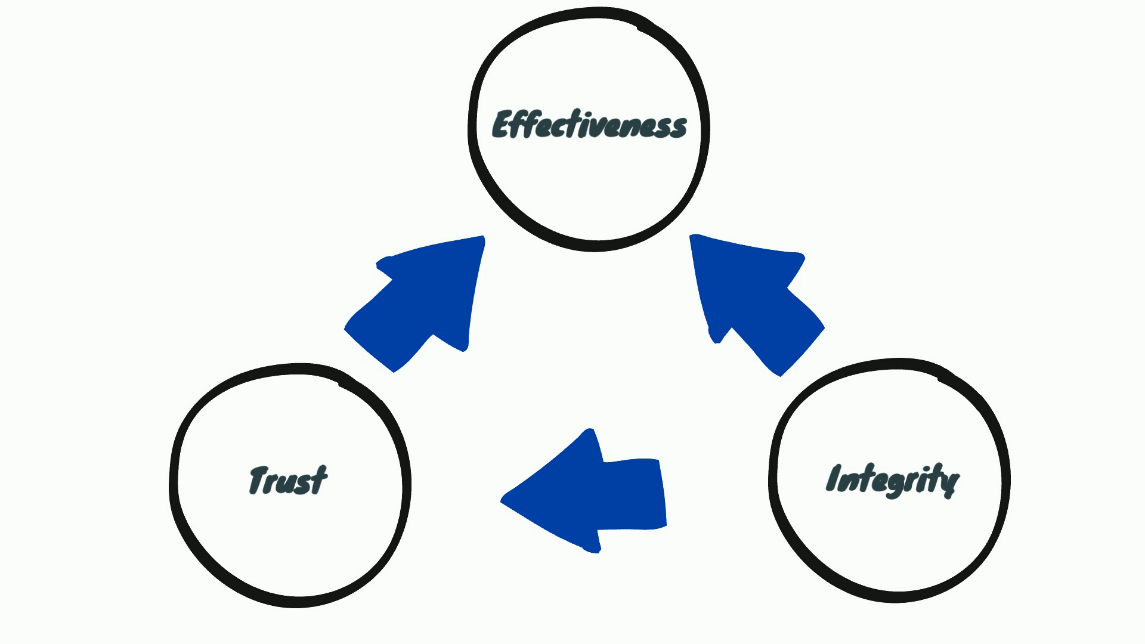
Integrity. Integrity is the main factor influencing people’s trust in government.
- Want to write for us? Take a look at Apolitical's guide for contributors
This symbiotic relationship between integrity, trust and effectiveness of public institutions means that everybody in government should pay attention to integrity as the key ingredient holding everything together. And it’s why the OECD has just released a handbook that can help you strengthen the integrity of your public organisation.
Implementing integrity
We all know the value of reducing corruption and building trustworthy relationships with key stakeholders but how can we move beyond abstract principles and actually implement integrity? The OECD Public Integrity Handbook is organised into three pillars – system, culture, and accountability – and explains what needs to be achieved in concrete and practical terms.
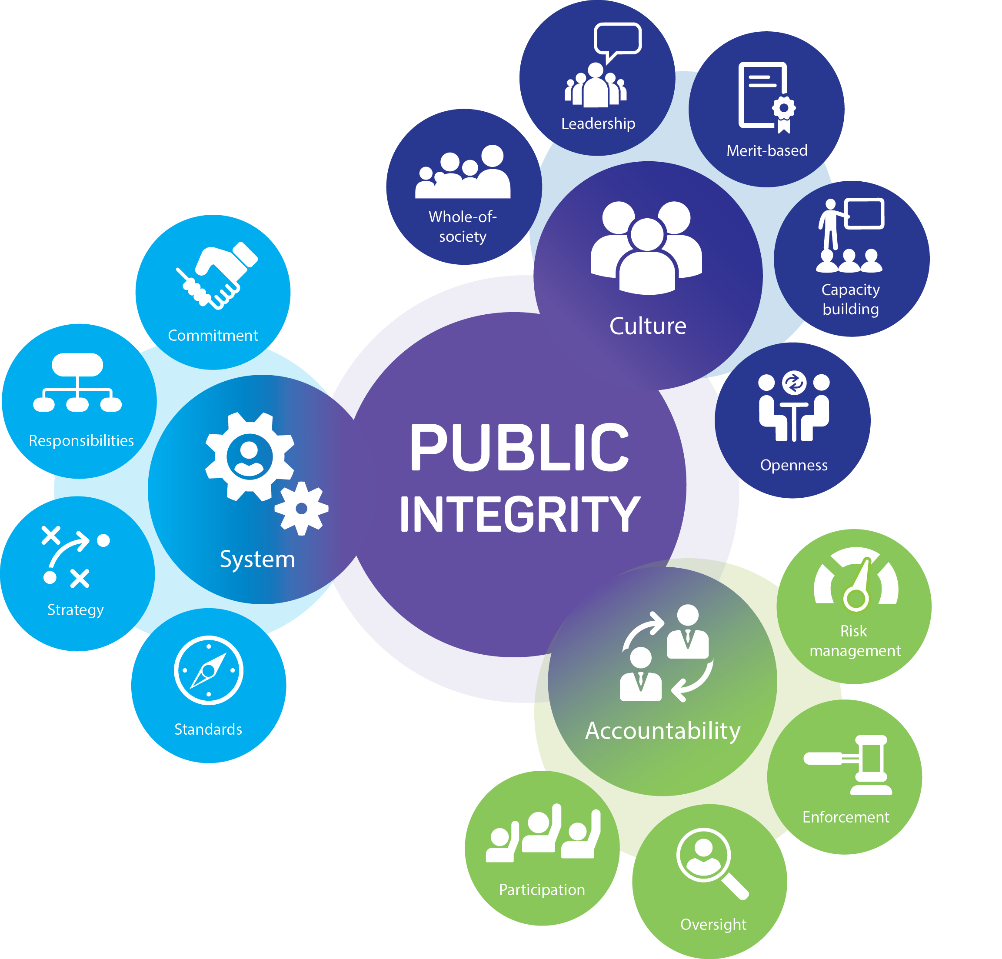
Elements of public integrity: based on the OECD Recommendation of the Council on Public Integrity, the Handbook is organised along the three pillars of system, culture, and accountability
1. System
First, many public (and private) organisations mistakenly regard integrity as something that can be implemented through isolated anti–corruption policies. This approach may yield results but it does not “stick”. Instead, you need a systemic approach that builds on high–level commitment and effective collaboration among different actors to design and implement a comprehensive integrity strategy. The Handbook explains in detail what this looks like in real life.
Integrity requires accountability. This can feel like an unreliable concept. There is often inconsistency in the way those who break the rules are treated, leading to scepticism and mistrust internally and externally
2. Culture
Second, building a system of public integrity requires a cultural shift that goes far beyond a specific public organisation to involve the whole of society. That includes businesses, civil society and the general public. How they act sets the tone for a society. Their integrity is just as important as that of the government. The Handbook explains the government's role in providing guidance to companies, civil society and citizens on how to uphold public integrity values.
3. Accountability
Finally, integrity requires accountability. This can feel like an unreliable concept. There is often inconsistency in the way those who break the rules are treated, leading to scepticism and mistrust internally and externally. The Handbook unpacks what real accountability looks like in practice and explores the role of audits, law enforcement and external oversight bodies, such as supreme audit institutions and ombudsmen. It also covers accountability in the policymaking process, to ensure that policies are designed with the participation of all stakeholders and are not biased towards special interests.
Overcoming obstacles
The Handbook also addresses many of the common obstacles you are likely to face when trying to create a more trustworthy public system. These include entrenched silos and competition among key actors. Social norms that conflict with the values and standards which a public organisation promotes, leading to a “tick–box” approach that does not change underlying organisational culture. Or bureaucratic structures which reward formalities and affiliation rather than promote leaders with integrity and ability. .
Our Handbook addresses all these issues and more. It is a must read for public officials of all ranks and sectors. It will help you to assess the political and managerial commitment to integrity within your organisation; if your service promotes based on merit; and what a proper risk management system should look like. The Handbook also provides many practical examples to illustrate how the concepts and elements of an integrity system have been applied in OECD countries.
We hope that the OECD Public Integrity Handbook helps you to build a more trustworthy and effective government wherever you work. If you have any questions or suggestions for their improvement, please do let us know. — Julio Bacio Terracino
We want to hear what you think about this article. Pitch an article to us or send your comments to hello@apolitical.co
(Picture credit: Unsplash)
Make sure to share your own thoughts with the author by leaving a comment below

Log in or sign up to continue the conversation