
This article is written by Jessica Thornton, collaborator, and Heather Russek, director of policy innovation, at the Brookfield Institute for Innovation and Entrepreneurship.
As we enter a new decade and reflect on the changes over the past ten years, it’s natural to also look ahead and ask what the future will have in store for us.
But thinking about the future can be a challenging activity. It is easy to be overwhelmed by the range of possible futures or overly focused on our own worldview.
At the Brookfield Institute, we generate forward-looking insights about the future of Canada’s innovation economy. As such we are always experimenting with new ways to help Canadians engage and plan for the future. One way is through the creation of artifacts from the future.
Thinking about the future
Artifacts from the future are speculative, everyday objects designed to spark thinking about what the future might hold. The physical nature of these artifacts helps to bring some of the potential futures into focus, allowing us to better understand what they could mean. By visualizing the possibilities, our hope is that we may be better equipped to recognize both our preferred and nonpreferred futures, pushing us to act now for the tomorrow we desire.
In this article we describe three artifacts, inspired by trends from the Brookfield Institute’s ongoing Employment in 2030 initiative, which explores the changes impacting the future of work in Canada. These trends were identified using a strategic foresight method called horizon scanning, which identifies signals of change drawing from academic journals, popular media, and fringe sources. Surveying over 600 sources, the scanning process identified 31 meso trends, with varying levels of maturity: mature, emerging, and weak signals, all detailed in our Turn and Face the Strange report.
As real as some of these artifacts might seem, it is important to remember that they are fictional. They are a way for you as a policymaker or public servant to explore future scenarios without getting lost in the endless possibilities. We encourage you to ask yourself: what if this was real? What would it mean for current policies? What would need to change? What new policies would need to be introduced? Which stakeholders would be most impacted? What would it mean for your own day to day work? Ask yourself, if this is a possible future, what do I want to change about my actions today?
Fort McMurray Fresh Mangoes
Canadian mangoes freshly grown on the former site of the Fort McMurray oil sands.

(Picture credit: Jessica Thomson)
In 2040, most Canadians now see Fort McMurray Fresh Mangoes as a symbol of Canada’s leadership in agricultural innovation. What is less known, however, is that these mangoes are equally a result of Canada’s humanitarian work absorbing refugees that were displaced due to the climate crisis.
In 2032, when Canada welcomed the first of many climate refugees from flooded Caribbean islands, groups settled in Northern Alberta to take advantage of more affordable living conditions. Many went to work at the newly established Fort McMurray greenhouses that were built atop the out of service oil sands. While agri-scientists began to introduce new farming technologies to improve greenhouse productivity, a group of Trinidadian workers also began experimenting with growing produce from home right here in Canada—mangoes.
Trade-offs:
Pros:
- It’s a privilege to enjoy locally grown mangoes and other produce once attainable only via import. Shorter distances from farm to table are also better for the planet as it uses less fuel.
- Our growing and diversified agricultural industry creates new jobs for immigrants and Canadians alike and boosts the economy.
Cons:
- Canadian mangoes also represent millions of people who’ve had to flee their homes due to our collective inaction around the worsening climate crisis.
- These mangoes are also a reminder of the challenges many Canadians faced during the shutdown of the oil sands and the resulting layoffs. In fact, in many parts of the country, the phrase “getting the mango” describes a scenario where someone’s misfortune is of benefit to another.
Corporate Cannabis
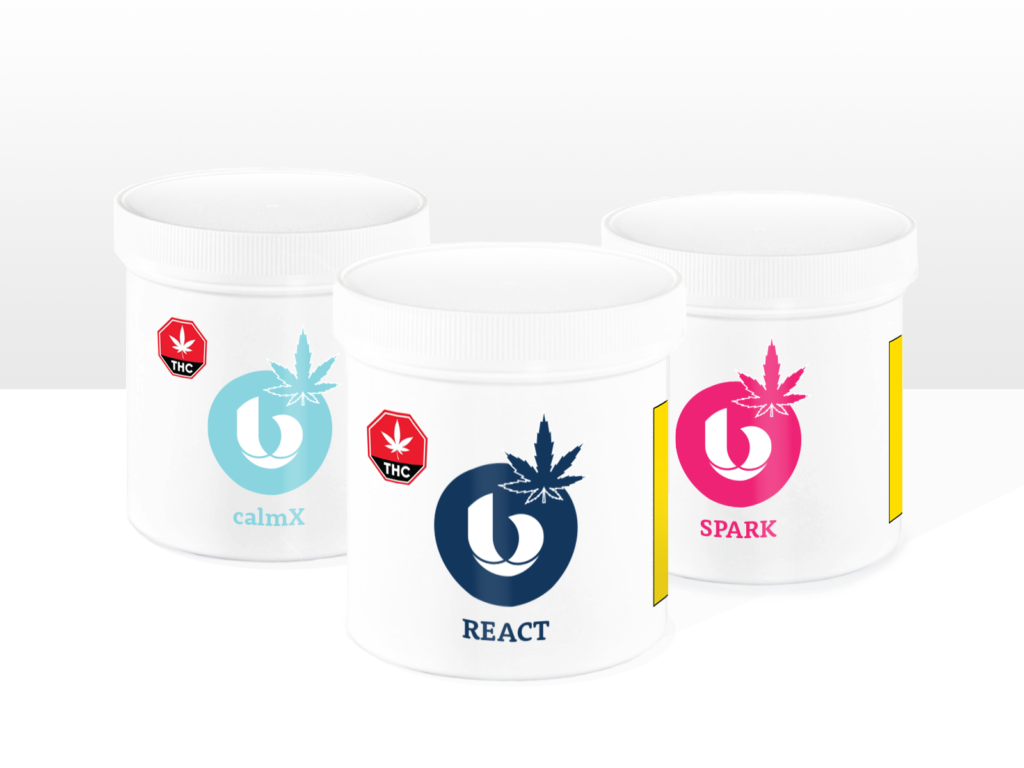
Need a midday pick-me-up? Or, something to alleviate that stressful meeting? Your company has got you covered.
(Picture credit: Jessica Thomson)
Despite warnings from skeptics and a slow-to-react legal system, cannabis strains designed for the workforce reached new heights in the 2030’s, with over 5000 tons/year now being produced in Canada. Some of the world’s largest technology firms were responsible for pioneering the cannabis trend, offering it to employees in an effort to increase creativity and reduce the mental strain of content moderation. This is seen as a natural extension of microdosing that became popular in Silicon Valley in the early 2000s.
Driven by cannabis legalization in 2018, investors have given billions to Corporate Cannabis to develop bespoke strains using the latest in gene editing, reportedly with the ability to engineer incredibly specific physical and mental responses. Participating companies claim that employees experience increased productivity and improved mental well-being.
Trade-offs:
Pros:
Study after study shows the considerable health benefits of cannabis: chronic pain management, stress reduction, and even epilepsy treatment.
Many employees see free access to cannabis as a company perk, helping to manage their energy, mood and mental acuity throughout the day.
It also signals a move towards more flexible working environments with many companies vocalizing their respect for different lifestyles and modes of working
Cons:
- According to critics, work-administered cannabis sets a dangerous precedent that employers can use substances to control or moderate their workers. It also diverts attention away from the reality of mentally strenuous workplace practices, such as moderating graphic or disturbing content.
- It beckons us to consider to what extent companies should alter our consciousness or brain chemistry at their service. Currently cannabis is just an option for employees to take or leave, but is there a potential future where use becomes a mandatory practice?
INSTAREMⓇ
Quality sleep is now at your fingertips. Anytime. Anywhere.

(Picture credit: Jessica Thomson)
Artificially intelligent robots now make up a majority of the workforce in numerous leading Canadian corporations. These workers have very few physical limitations, working at all hours of the day and week. Although there are still bugs in the system, humans are hired to compensate for this by regulating and overseeing robot workers, demanding on-call support 24/7. This results in many sleep disruptions.
As a result, corporations have developed a new, complimentary product for human employees called INSTAREM Ⓡ. This supplement is designed to manage sleep disruptions by providing, as the name suggests, instant REM sleep.
Individuals are able to get quality rest whenever and in shorter amounts of time. It’s also been beneficial to Canadians outside of this use case, considering the rapid decline of sleep quality that we have experienced in the 2040’s. Anxiety and stress has become prevalent like never before and completely disrupted the circadian rhythm of many Canadians. Accordingly, physicians have been vocal that remedies like INSTAREMⓇ are necessary to meet the minimum sleep requirements of a healthy lifestyle.
Trade-offs:
Pros:
INSTAREMⓇ helps people attain a greater quality of rest, resulting in higher levels of happiness and overall well-being.
There’s even been an increase in positive public interactions and community building initiatives with a direct link to this product.
Cons:
- Yet, public protests have also erupted over INSTAREMⓇ. Opponents are uncomfortable with not only the idea of robot workers, but also the ability of corporations to dictate their employees work–life and sleep schedule.
- Many are calling for a return to traditional employment and mandatory curfews in order to maintain sleep quality without the use of substances.
These artifacts were created based on trends drawn from Canadian-focused research. We encourage you to read our report for a deeper introduction to our methodology. Fictional or not, many are relevant to policymakers everywhere. With trends like climate refugees, resource scarcity, mandatory creativity, work-life integration, and artificial intelligence making headlines globally, consider what impact they might have within your own community. As the world enters the 2020’s at roaring speeds, we encourage policymakers to ask themselves, what if these artifacts did become real? What do you want to change about your actions today to enable or prevent these futures from occurring?
Artifacts from the Future are created by Heather Russek, Ollie Sheldrick, and Jessica Thornton, with support from Erin Warner. The physical artifacts were brought to life by the design work of Jessica Thomson.
(Picture credit: Unsplash//Jessica Thomson)
Make sure to share your own thoughts with the author by leaving a comment below

Log in or sign up to continue the conversation