
This article was written by Helen Caldwell, campaigns and communications associate, Apolitical, with contributions from Amanda Bernardo, project manager, digital solutions and digital engagement specialist, Government of Canada; Tim Lloyd, strategy and client service director at Helpful Digital; Anthony Simon, partner at Portland Communications; and Alexis Bailey, freelance digital and social media specialist
Using social media has become an integral part of our daily lives — including in our professional lives. It can be difficult for public servants to walk the line between the openness and connection that social media offers, with the impartiality and objectivity that public service requires.
We asked experts and experienced public servants how to walk this line, and how to use social media to build a professional online presence. Here’s what they said.
"Be authentic" — Amanda Bernardo
The truth is, social media is only but an extension of the professional reputation you’ve been creating for yourself since the onset of your career. While with it, you can share your work, collaborate with others, and build a larger cross-boundary network, it still must be built on a foundation that must be rooted in a genuine representation of who you are and what you can contribute to your network.
Tips:
- Be authentic — make sure your online presence is accurate and honest.
- Build your network with diverse perspectives — attract people like yourselves but also include others from whom you can learn from.
- Put out content that is engaging and that others can learn from — while you will benefit from what others put out into the universe, ensure that you can thank them in return by working openly to share your own work.
- Be engaging — social media is not about the likes, it’s about the meaningful conversations you can build through true engagement.
- Remember your obligations as a public servant — as public servants, we all sign a code of values and ethics, and must consider conflict of interests in order to ensure we remain impartial.
- Adapt for each platform — with so many social media platforms to choose from, make sure you choose the right platform to target the right audience and amplify your message or goal in the best way.
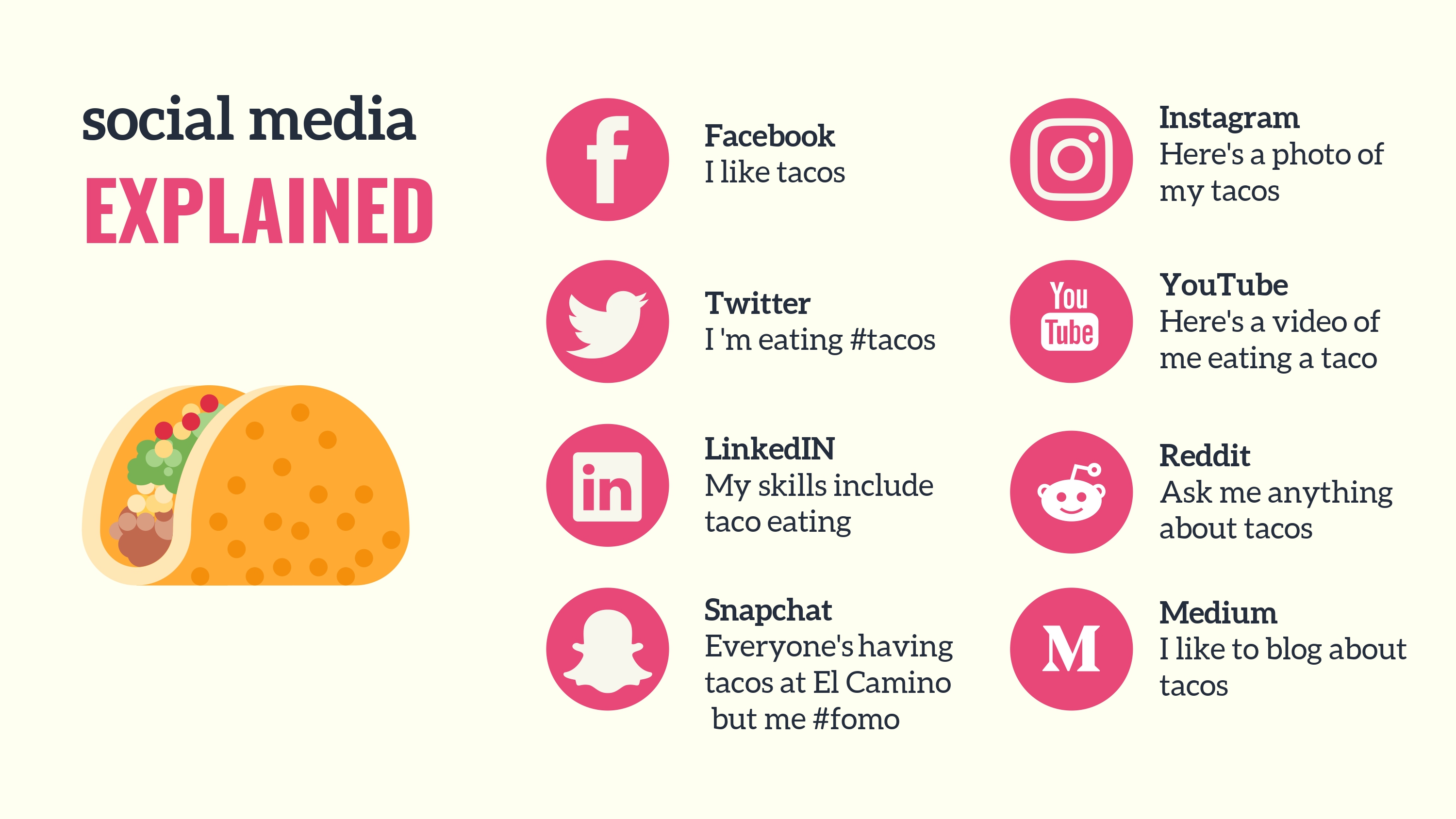
- Re-read your content — while some platforms allow you to edit your content, others do not (Twitter); as a typo can throw off your entire CV, the same can be true of your online content.
- Don’t go crazy with the hashtags — two or three maximum is enough; over hashtagging your content can be like adding one too many exclamation marks to your content (sometimes less is more).
- Do not share content blindly — with click bait front and centre to many social media platforms; be sure to read content before sharing it, this helps to minimize the spread of misinformation.
- Make the best first impression — this means including a professional headshot and crafting a well written bio that explains who you are, what you do, what you’re interested in or who you’re looking to connect with.
Amanda's Twitter
Amanda's LinkedIn
"Stick with conversations, not broadcast" — Tim Lloyd
- A personal, professional social media is still your responsibility, not the Civil Service's. Make sure it's about you: the lows as well as the highs, work, hobbies, interests. This is crucial to credibility and building an audience. (See @janethughes on twitter.)
- Like any other job, what you say online needs to stay within the boundaries of your employment contract — the Civil Service Code. So, the only bit of 'you' that should be missing is your political views.
- You'll build a useful social media presence by listening to others. Follow a wide variety of opinions and ideas. If you carve out a bubble with all your friends and colleagues, it will be far less useful.
- Stick with conversations, not broadcast. Respond to people, leave comments and if you post an idea or promote your Department's work, seek feedback. Social media is least useful when you are in broadcast mode.
- Dip in and out regularly. There's no perfect pattern for posting online, but it isn't something you can really schedule, if you want to use social media naturally.
- Pick a channel that you're comfortable with. People assume it has to be twitter, but LinkedIn is often overlooked and has huge potential as a professional tool. You might be happy in front of the camera, in which case TikTok or YouTube could be perfect. If you've got more to say about specialist topics, why not see if you can contribute to your department's blog? Check out some examples here.
Whether you feel bold or cautious about social media, give it a go! Social media is an essential part of your career development and fulfilling the needs of the people we serve.
Tim's Twitter
Tim's website, Helpful Digital
"If in doubt, don't post it" — Anthony Simon
When I worked in Government as head of digital communications in Downing Street before heading into consultancy in 2015, many public servants were understandably nervous about creating a profile online. As we all know, there are many pitfalls around propriety and this meant mistakes were made by some, and others were simply reluctant to get involved.
To address this, I was involved in creating social media guidance for civil servants. We didn’t want it to be a cumbersome and proscriptive list for creating a social media presence which by its nature needs to be free flowing.
It boiled down to just five key points:
- Common sense: social media helps us work openly and connect with the citizens we serve — just remember to apply common sense!
- Adhere to the Civil Service Code: apply the same standards online as are required offline, whether acting in an official or personal capacity
- Doubts? If in doubt, don’t post it
- Accuracy: check the accuracy and sensitivity of what you are posting before pressing submit
- Permanent: remember once something is posted online it’s very difficult to remove it
These are all relevant to this day and I think would be a good place to start when creating a professional presence online.
Anthony's Twitter
Portland Communications' Twitter
"Be patient" — Alexis Bailey
- Think about what you want to achieve before you start so that you can choose the right platform, audience and tone for your profile/campaign etc. Twitter, for example, is a good place to have an open conversation. Tweets are public and anyone can follow you. If you want to have a more structured conversation with targeted people you might want to consider a closed forum, such as an invitation-only LinkedIn group.
- Stick to your subject so people know what your content is about. That way you’ll attract like-minded followers. It’s easy to get carried away with more light-hearted posts, especially on a Friday afternoon, but don’t go off topic too often as this will dilute your message.
- Think about how to engage people — ask questions, encourage comments, ask them to share their images — and engage with other people’s content by retweeting, sharing posts and commenting. People can be shy about blowing their own trumpets. A good way to get people to share what they’re up to is to ask about the team’s work rather than their work as an individual.
- Make sure you’re not duplicating online groups and forums. If you’re setting up a new online community check that something similar doesn’t already exist. If you’ve got a specialist subject you could find relevant blogs and offer to write a guest post.
- Keep your content concise. Tl;dr stands for ‘Too long; didn’t read’. Lists are a useful way of breaking content down into bite-sized chunks. If you’ve got a lot to say about a subject consider using a blog and splitting your content up over several posts.
- Don’t be too formal. Write how you speak. It’s fine to show a bit of personality but be clear about whether what you’re saying is your own personal opinion or your organisation’s position. Don’t post anything online that you wouldn’t say to someone’s face.
- Live tweet at events. Use relevant hashtags. Put links to your social media accounts in your email signature. This will encourage others to follow you.
- Be patient. It takes time to build an online presence. Most channels have analytics so you can take a look at how your content is performing and decide which type of posts are working best.
- Set aside at least ten minutes a day to do one thing to build your online presence, even if it’s something simple like responding to someone else’s post.
- People can be harsh from behind a keyboard. Don’t take things too personally. Enjoy the interesting, informative content and don’t let the trolls get you down.
Alexis's blog
— Helen Caldwell, Amanda Bernardo, Tim Lloyd, Anthony Simon, and Alexis Bailey
(Picture credit: Unsplash)
Make sure to share your own thoughts with the author by leaving a comment below

Log in or sign up to continue the conversation