
A vast international effort has been launched to stamp out childhood violence in the same way vaccination has all but eradicated polio.
The Global Partnership to End Violence against Children (GPEV), already backed by more than a dozen countries and numerous aid organisations, is emulating the international community's successes against preventable disease. Polio, for example, was still paralysing 16,000 Americans a year in the 1950s, but has now been all but eradicated by united global effort.
That eradication was made possible by a working vaccine, and the GPEV intends to use equally pragmatic tools. Their belief is that over the past few decades, groups working in the field have developed proven means of reducing violence against children – whether that's female genital mutilation, domestic abuse, child marriage or anything else.
 'We're not trying to fund new research,' says Susan Bissell, who is running the partnership, 'we're trying to connect people who already know things to one another. There's a lot of accumulated wisdom out there and you don't have to reinvent the wheel. You have to make the hub caps yourself, but the wheel is the wheel. And that will be the nucleus of this thing: here's what works.'
The array of measures this comprises is as broad as the problem it aims to address: model legislation; model parenting programmes; model services for victims; examples of how to make sure children know where they can report violence; guides on collecting the data needed to further refine prevention.
It's not the secretariat telling people what to do, we're connectors allowing existing actors to come together
'Of course it gets contextualised,' says Bissell. 'It's not like we take a family visiting programme from South Africa and plunk it into inner-city Chicago, no. It's taking the basic principles and finding local experts to make sure the adaptations are appropriate. It's not the secretariat telling people what to do, we're connectors allowing existing actors to come together.'
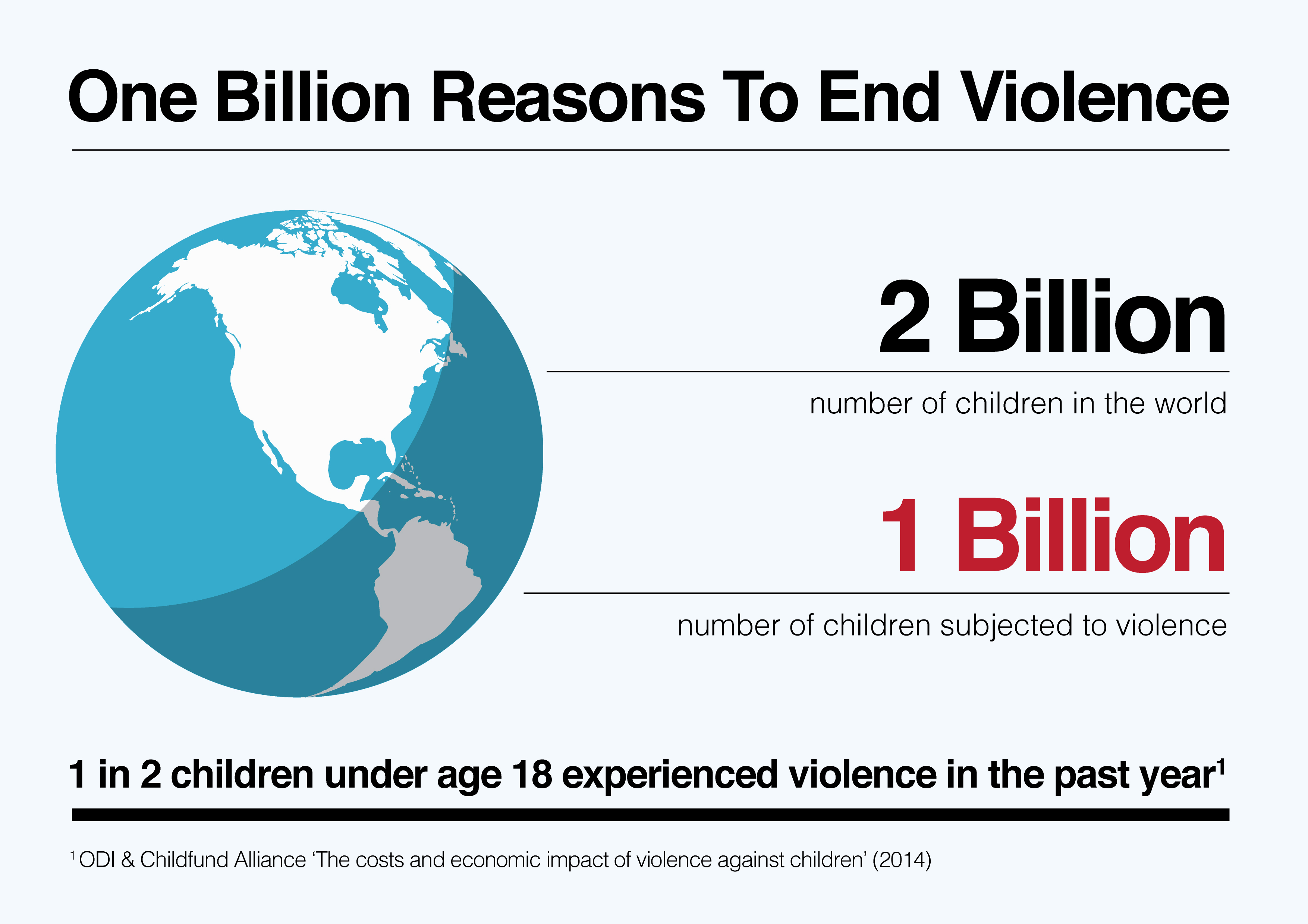
The GPEV certainly brings a formidable amount of expertise to bear. It was founded by UNICEF in conjunction with the World Health Organisation and NGOs like Save the Children and World Vision, as well as philanthropic bodies like the Bernard van Leer Foundation and World Childhood. On top of that come private firms like Becton Dickinson, a medical supplies company. The GPEV hopes to build up a billion-dollar investment fund, one dollar for each child who experienced violence last year.
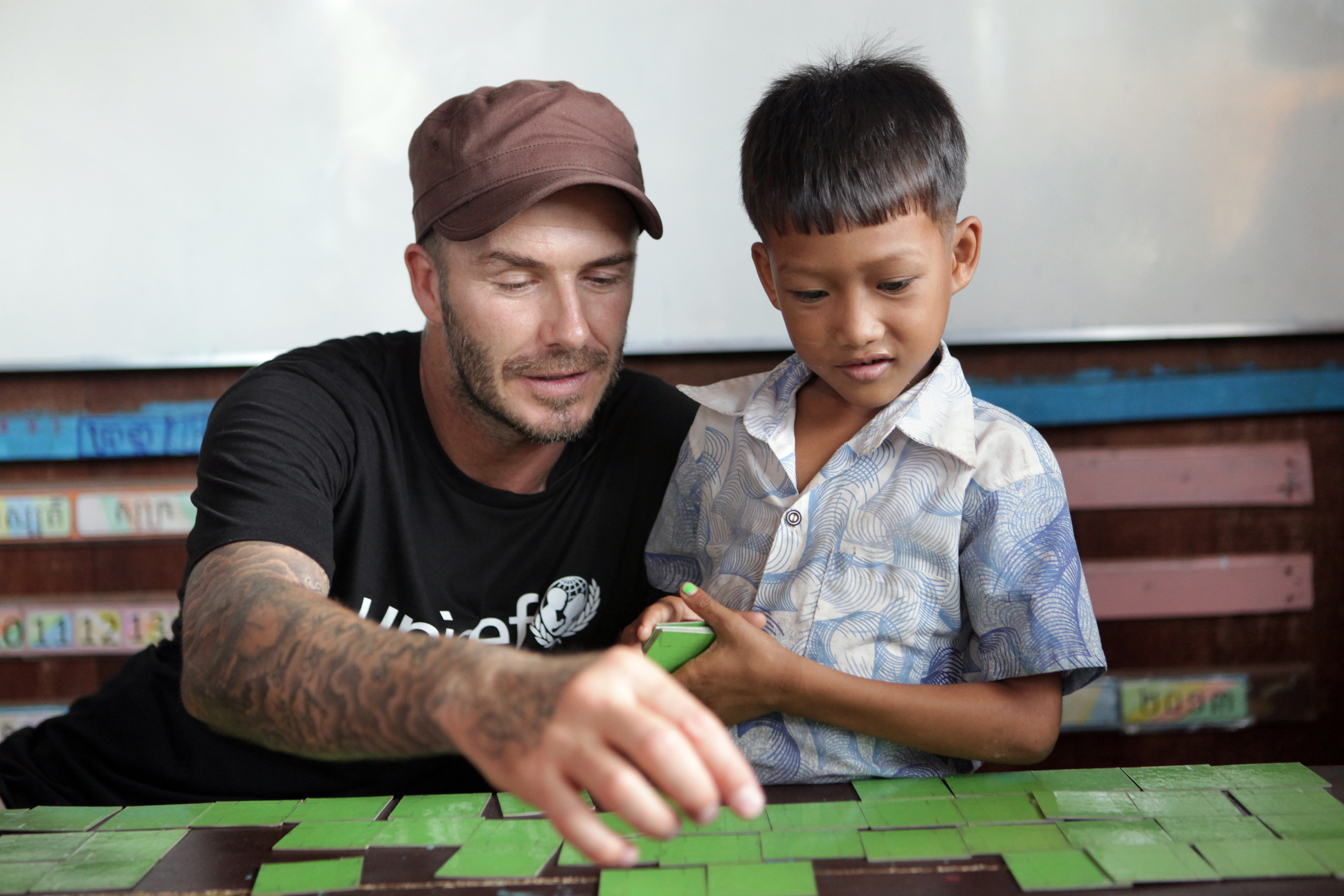 ](https://images.ctfassets.net/txbhe1wabmyx/7t9EFFI5UTBxTkomxa8DPN/bc041c6bc2907fad30016482ac154909/uni196226.jpg) Footballer and UNICEF Goodwill Ambassador David Beckham visits an anti-violence initiative in Cambodia (via UNICEF/Irby)
Individual countries are being chosen to become 'pathfinders', who will demonstrate the extent of what can be achieved. At the time of writing, those include Sweden, El Salvador and Paraguay, and the GPEV is in talks with the governments of Mexico, Indonesia, Tanzania, Romania, the other Scandinavian countries, Switzerland, Canada and the UK.
All of these relationships have been created since the GPEV was launched only at the start of this year. But is it realistic to talk about 'ending' violence, something that has been part of human life in all times and places?
Although there is perhaps no one who takes that aspiration literally, proponents point out that persistent advocacy can alter entrenched social norms. One example is the smacking of children, which was entirely legal almost everywhere until the end of the last century. Now it has been banned in more than 50 countries, from Germany to Israel, Kenya, Brazil and Mongolia. In this understanding of advocacy, the social shift that led to the passing of those laws is more significant and more telling than the laws themselves.
Our biggest challenge is the belief that this is just the way it is
Nevertheless, doubt about the feasibility of this kind of campaign remains a major obstacle. 'Our biggest challenge is overcoming the belief that this is just the way it is,' says Bissell. 'The idea that I live in Honduras and it is just really violent. Complacency.'
She also points out that, although thinkers like Steven Pinker argue that our societies have generally become far less violent, 'the benefits of the decline in violence are inequitably distributed. Even the online stuff – Interpol's database of sexual abuse images has increased exponentially with the internet and in a lot of cases those are kids in the Philippines and Thailand, so everyone isn't equally safe everywhere.'
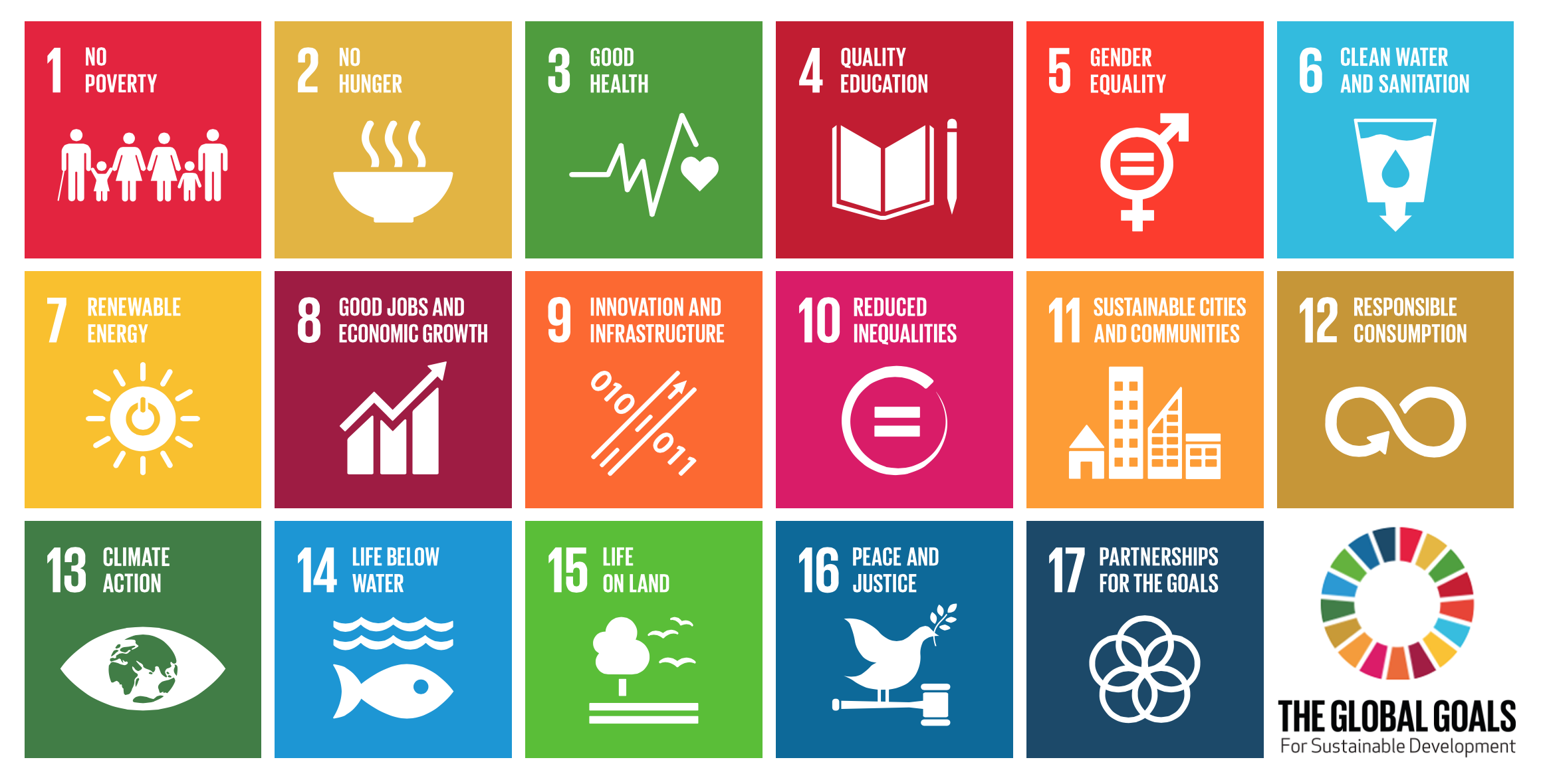 ](https://images.ctfassets.net/txbhe1wabmyx/2KsT1sf0rI6wAjCYZN01iH/390ebfa2eee66d1c774ec245986edb7a/sustainabledevelopmentgoals.png)The UN's Sustainable Development Goals
Bissell has worked in the field for more than a quarter of a century. Originally from Toronto, she moved to New York to take an internship with UNICEF in 1987. After long stints in Sri Lanka, Bangladesh and India – and a doctorate in public health – she returned to New York and became head of all UNICEF's child protection work. She says that she has never seen as much momentum against violence as now.
Much of that comes from the UN's Sustainable Development Goals – negotiated and agreed by member countries – which include a commitment to 'end all forms of violence against children'.
The benefits of the decline in violence are inequitably distributed
Bissell says, 'I look back at a 25, 30-year career at this and it feels like the moment's right. We've never had such robust public discourse, we haven't had this package of interventions, we haven't had the science, we haven't had the champions.
'It's called the partnership to “end” violence, and I continue to say that that's our aspiration. I guess I'm a little Pollyanna about this. But can't we imagine that in 15 years, kids feel safer on our societies?'
More like this...
- How government can get banks to invest in children: Tracey Naledi, Chief Director of Health Programmes in Western Cape, South Africa
- The woman freeing 10 trafficked people a day: Agnes Igoye, Deputy Coordinator of Uganda’s Anti-Trafficking Task Force
- Better healthcare for less: Leana Wen, Baltimore City Health Commissioner
(Picture Credit: Unicef Ethiopia/Flickr)
Make sure to share your own thoughts with the author by leaving a comment below

Log in or sign up to continue the conversation